What They Buried So We Could Bloom: The Wars Vietnamese American Parents Never Spoke Of
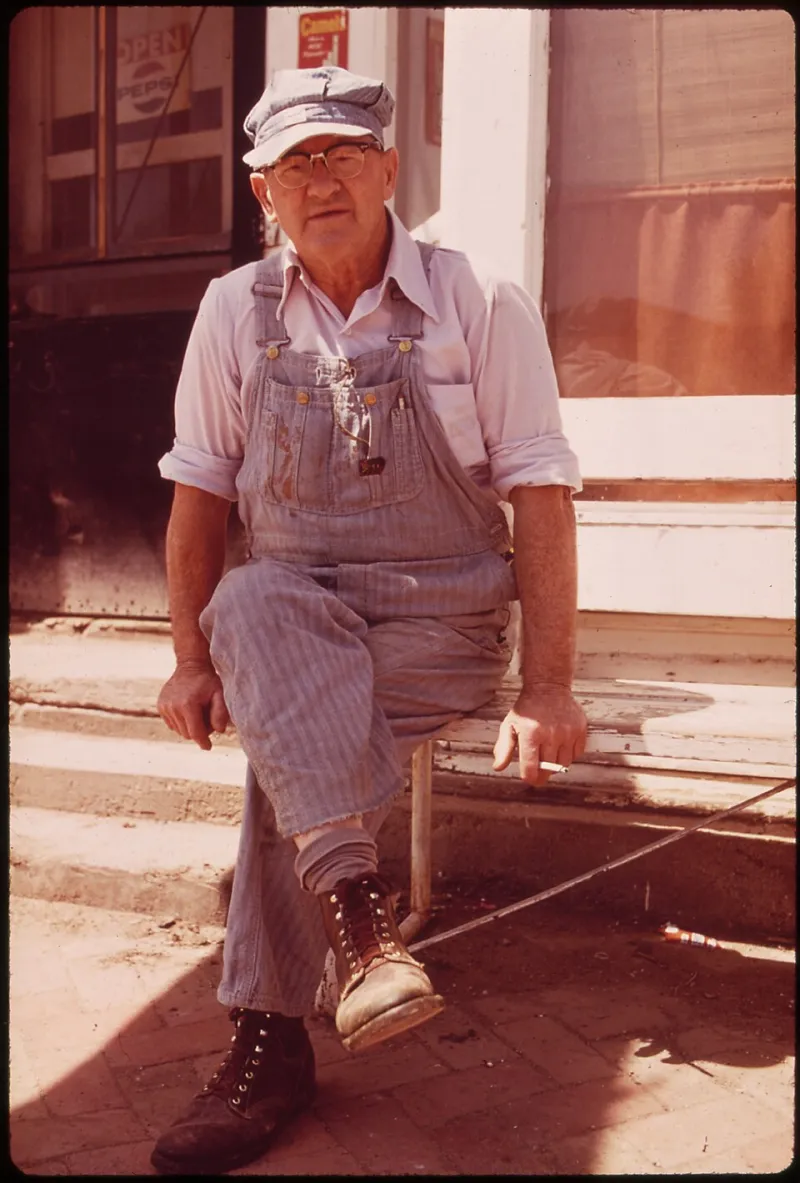
Photo: Charles O'Rear, Public domain, via Wikimedia Commons
There's a particular kind of dinner table in Vietnamese American homes. The food is abundant — always more than you need — and the conversation moves around certain topics the way water moves around stone. Nobody announces what isn't being discussed. It just... isn't.
For a lot of us who grew up in these homes across Houston, San Jose, New Orleans, or Northern Virginia, the silence wasn't empty. It had texture. Weight. You could feel it when you asked your mom why she flinched at loud noises, or when your dad changed the channel the moment anything about Southeast Asia appeared on the news. The silence was deliberate. And it was, in its own complicated way, an act of love.
The Architecture of Forgetting
The Fall of Saigon happened on April 30, 1975. For hundreds of thousands of Vietnamese families, that date marks not just the end of a war but the beginning of an exodus — by boat, by foot, through jungle and open ocean — that would eventually land them in refugee camps in Malaysia, the Philippines, Guam, and Indonesia before resettling in American cities that had never heard of phở.
What happened in those camps, on those boats, and during those escapes is largely undocumented in the way that matters most: through family conversation. Researchers and psychologists who study intergenerational trauma in refugee communities have noted that Vietnamese American parents, particularly those of the first wave, are among the most tight-lipped populations when it comes to sharing survival stories with their children.
The reasons aren't simple. Some parents genuinely believe that protecting children from the past is the most loving thing they can do. "Why would I give them nightmares that aren't theirs?" one woman in her late sixties, now living in Garden Grove, California, told a community oral history project. She had survived a pirate attack in the South China Sea. Her American-born children did not learn this until they were adults.
Protection as a Parenting Philosophy
For many Vietnamese parents who lived through the war and its aftermath, silence wasn't suppression — it was strategy. The logic went something like this: We came here so our children wouldn't have to carry what we carry. Telling them is loading the weight back onto them.
This protective instinct maps onto a broader Vietnamese cultural framework that prizes forward momentum over backward reflection. The concept of chịu đựng — endurance, bearing hardship without complaint — runs deep. You didn't talk about pain. You transformed it into action. You worked double shifts. You pushed your kids toward medicine and engineering. You cooked enormous meals. The sacrifice spoke for itself, or so the thinking went.
But what children often received wasn't protection. It was a gap — a mysterious, aching absence where family history should have been. And gaps, as any therapist will tell you, don't stay empty. They fill up with imagination, guilt, and a vague, persistent sense that you owe something to people who won't tell you what they went through to give you everything.
When the Silence Becomes the Story
Second-generation Vietnamese Americans have described growing up with what one community writer called "inherited grief without a map." You knew something heavy had happened. You could see it in the way your parents worked without rest, in the way they never threw away food, in the way they locked up emotionally the moment you asked about Vietnam. But you had no language for it because they gave you none.
This dynamic creates a strange kind of identity vertigo. You are the direct beneficiary of an enormous sacrifice you cannot fully comprehend. Gratitude becomes complicated when you don't know exactly what you're grateful for. Some children of refugees describe feeling guilty for normal American teenage experiences — going to prom, taking a gap year, changing majors — because they sensed, without being told, that their parents had survived something that made such luxuries almost obscene.
Others describe a hunger for the story that never quite goes away. They find themselves Googling refugee camp conditions at two in the morning. They watch documentaries about the Fall of Saigon and search the faces of the people running toward the embassy helicopters, half-expecting to recognize someone.
What Breaks the Silence
Sometimes it's illness. A parent facing a health crisis will suddenly open up in ways that decades of stable life never prompted. Sometimes it's grandchildren — a new generation softens something in grandparents that hardened long ago. And sometimes it's a question asked the right way, at the right moment, with enough patience to sit inside the discomfort.
What researchers and community advocates consistently find is that when the silence finally does break, the effect is profound — not just for the children who finally get their answers, but for the parents themselves. Naming the experience, even once, even quietly, appears to shift something. The story stops being a locked room and becomes a room you can enter together.
There is no clean verdict on whether the silence heals or haunts. The honest answer is: it does both. It protected many children from nightmares they didn't need. It also left many of those same children without the full story of who they come from — and that absence shapes identity in ways that ripple outward for generations.
The Journey Toward Knowing
For those of us still waiting for the conversation, or still processing the one we finally had, there's something worth sitting with: the silence itself is a form of testimony. It tells you that what your parents experienced was significant enough to protect you from. It tells you they chose your peace over their own need to be known.
That's not nothing. That's actually enormous.
But we also get to want more. We get to ask. We get to record, document, and carry the full story — not as a burden, but as inheritance. Because the journey our parents made doesn't belong only to them. It belongs to all of us who exist because of it.
And the only way to honor a journey is to finally learn where it began.