Incense Next to the Remote: The Altar at the Center of Vietnamese American Life
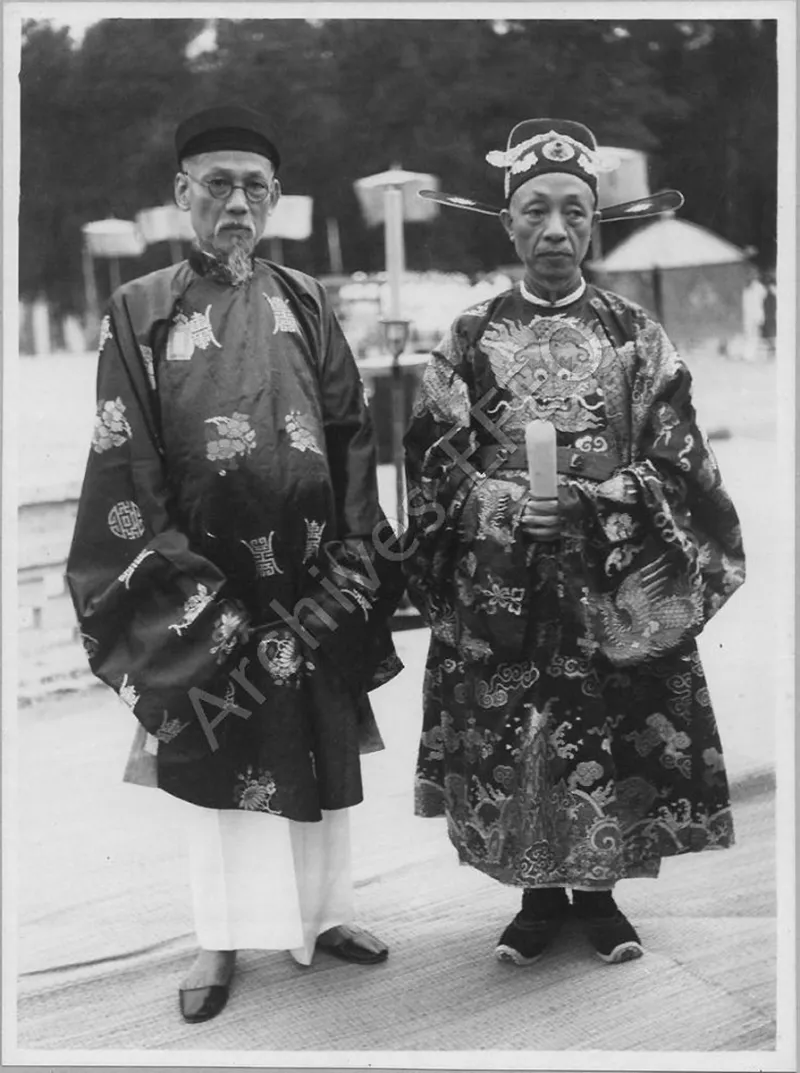
Photo: Unknown authorUnknown author, Public domain, via Wikimedia Commons
In a one-bedroom apartment in Orange County, the altar is not in a separate room. It sits beside the television, on a low cabinet that also holds remote controls, a stack of mail, and a small clock. There is a photo of a grandmother in a frame. There is a bowl of fruit. There is an incense holder with ash from last week.
For many Vietnamese American families, this is not unusual. The altar is not hidden away. It is part of the living room. It is next to the TV, the homework table, the Christmas decorations, the dust. That placement says something about how remembrance works here: not as a single funeral event, but as a daily domestic practice.
A Practice, Not a Performance
Vietnamese home altars vary widely. Some are Buddhist. Some are Catholic. Some mix traditions in ways that would make a strict theologian uncomfortable. Some families have elaborate cabinets with red lighting and multiple levels. Some have a small shelf with one photo and a cup of water. Some have no altar at all but keep a photo in the hallway.
The common thread is continuity. Incense is lit. Fruit is offered. Water is changed. A few words are said. The dead are not treated as guests who visited once. They are household members with a different kind of presence.
That presence is practical. A grandmother’s photo sits where the family can see it. A grandfather’s favorite tea is placed nearby. During Tết, the altar gets more attention: fruit, flowers, candles, maybe a tray of offerings. On death anniversaries, the family gathers. But the everyday maintenance matters just as much — the small acts that keep grief from becoming something you only do on schedule.
The Negotiations Inside the Room
The altar is also a site of negotiation. Who lights the incense? Who cleans the ash? Who remembers the death anniversary? Who worries about the smoke alarm? Who has to explain to a landlord or a roommate what the fruit is for?
In cramped apartments, space is political. A family might want a proper altar but settle for a corner. A younger person might keep a photo and a candle because that is what fits. A Catholic family might have a crucifix and a photo of an ancestor on the same shelf. A family that does not practice might still keep the frame because throwing it away feels impossible.
These are not signs that tradition is fading. They are signs that it is being translated. The altar changes shape, but the impulse — to keep the dead close — remains.
An Archive of Ordinary Objects
Look closely at an altar and you will see a family archive. There is the passport photo from before the escape. There is the watch that stopped. There is the ceramic cup with a chip. There is a pack of cigarettes for a grandfather who smoked, or a cup of coffee for someone who drank it every morning. Offerings are not always religious. Sometimes they are just memory in object form.
Incense marks time. It burns down. It leaves ash. It asks to be replaced. In that way, the altar is a calendar made of small rituals. It tells a family: this is the day. This is the person. This is what we do with love when the person is no longer here to receive it in the usual way.
Grief in Plain Sight
For immigrants, the altar can also be an anchor. It holds a version of home that is not available on a map. It connects a living room in Texas to a village in Vietnam, or to a city that no longer exists the way it did. The objects do not have to be valuable. They have to be specific.
And for children and grandchildren, the altar can be a quiet education. It teaches that grief is allowed to be ordinary. It teaches that the dead can be mentioned in the same breath as dinner plans. It teaches that love does not end when the body does.
The altar beside the television is not a contradiction. It is exactly where it belongs: in the middle of life, next to the remote, the mail, and the fruit that will be eaten later. The incense burns. Someone changes the water. The family keeps going.